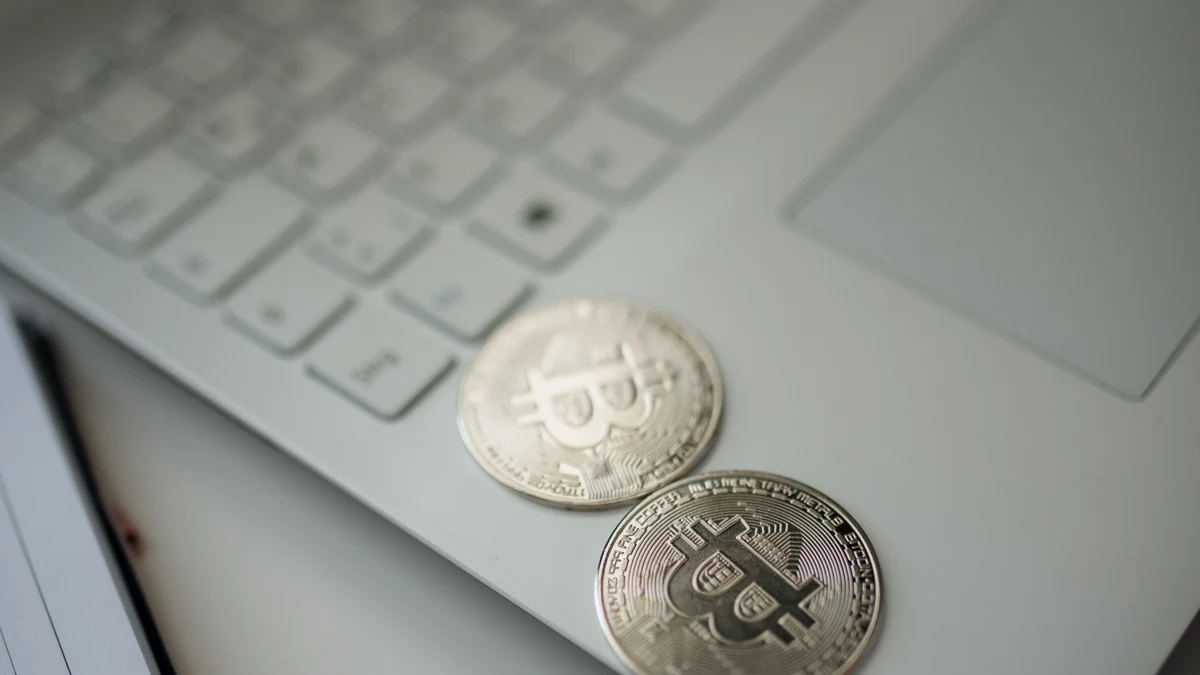
Metaplanet Bitcoin Sale and Repurchase Disclosure and the Mechanics of Proving Liquidity
Metaplanet demonstrated market liquidity by selling and repurchasing part of its Bitcoin holdings. We review the corporate disclosure, its financing implications, and key investor considerations.
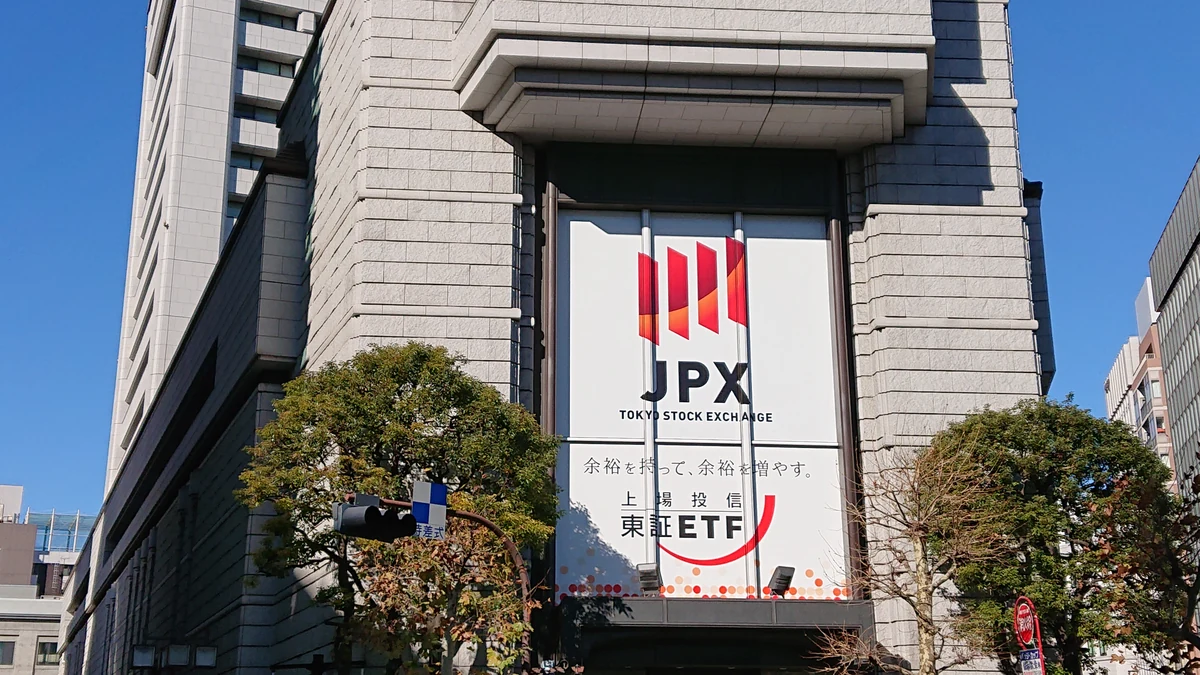
Table of Contents
Metaplanet, a company listed on the Tokyo Stock Exchange, published an official disclosure stating that it briefly sold and immediately repurchased part of its Bitcoin holdings to externally demonstrate the market liquidity and monetization feasibility of its assets. This represents a strategic accounting and corporate finance measure aimed at reassuring creditors, credit rating agencies, and auditors that a public company holding substantial virtual assets on its balance sheet can liquidate them without causing adverse market impact.
Community Claims and Background of the Debate
On October 6, 2026, news of Metaplanet's Bitcoin sale and repurchase was shared on Reddit r/CryptoCurrency, drawing significant attention from investors. Some community members expressed critical skepticism, questioning whether a corporate holder was turning bearish or dismissing the move as inefficient corporate theater that merely incurred transaction fees and tax liabilities. In contrast, other commentators defended the action from a corporate finance standpoint, viewing it as a necessary stress test to prove real market liquidation capabilities required for securing credit ratings or raising large-scale debt financing. This divergence sparked a vibrant debate regarding corporate digital asset custody credibility.
Verified Facts and Reporting
Comparing official corporate disclosures and press reports reveals the following verified facts:
First, according to the Metaplanet Official Disclosure (2026-10-05) and Yahoo Finance Reporting, Metaplanet disclosed these transactions transparently in a filing titled 'Notice Regarding Additional Purchase of Bitcoin Including Sale and Reacquisition to Demonstrate Liquidity.' The company sold Bitcoin on the open market and promptly reacquired an equivalent or greater amount, maintaining or expanding its total reserves.
Second, the stated official objective of this operation was to provide objective, verifiable proof to financial stakeholders that its Bitcoin treasury possesses ample market depth and liquidity to be converted into cash without delay if needed.
Third, this liquidity demonstration transaction does not in itself guarantee or finalize an upgrade or initial grant of a corporate credit rating for Metaplanet. Formal assessments by rating agencies and solvency audits remain subject to independent evaluation procedures.
Donpoong's Assessment
Donpoong views Metaplanet's maneuver as a distinct 'transitional friction cost' that arises as digital assets integrate into traditional institutional capital markets. Conservative auditors and institutional debt providers often remain skeptical about whether hundreds of millions of dollars in balance-sheet digital assets can genuinely be liquidated without substantial slippage during a solvency crunch.
By accepting short-term trading frictions and spread costs, Metaplanet established an undeniable execution audit trail to bridge this institutional trust gap. However, for individual retail investors, frequently selling and repurchasing identical assets offers no strategic benefit and only triggers needless transaction fees and taxable events. Consequently, investors must clearly distinguish between corporate compliance maneuvers and individual portfolio management practices.
Practical Points to Verify
Investors following digital asset treasury strategies or publicly traded crypto holding entities should examine the following considerations:
- Clarify disclosure intent: Consult original filing documentation to confirm whether an operation represents a tactical profit-taking disposition or a technical reacquisition conducted for audit and liquidity verification.
- Evaluate transaction friction and shareholder value: Measure the net impact of trading slippage, exchange commissions, and tax charges resulting from high-volume on-chain and off-chain transactions on the company's net asset value.
- Assess debt structures and maturity risks: When evaluating firms funding asset purchases via share dilution or convertible bond (CB) issuances, check liabilities on the balance sheet to assess repayment pressures during high-interest-rate or market downturn environments.
- Avoid uncritical mimicry: Retail investors should refrain from copying institutional liquidity-testing maneuvers, ensuring they do not mistake corporate compliance demonstrations for profitable short-term trading patterns.
Sources and Reference Date
This article was compiled using publicly available materials as of October 15, 2026. Primary sources include official English disclosures published on October 5, 2026, by Metaplanet Inc. in Japan, reporting from Yahoo Finance, and analytical commentary across global financial communities. Future assessments of financial condition may evolve in accordance with upcoming periodic earnings filings and external audit opinions.